 26 May,2026
 YUANTING Technology
● mRNA Vaccines: While some have moved to less stringent temperatures, certain formulations still require deep frozen conditions to ensure stability and potency.
● Biologics and Biosimilars: Many complex biologic drugs are inherently unstable at higher temperatures, demanding consistent ultra-low conditions throughout their supply chain.
● Clinical Trial Materials: Investigational drugs often lack stability data and are shipped under the most conservative temperature conditions, frequently requiring deep frozen logistics.
1. Sustained Hold Time
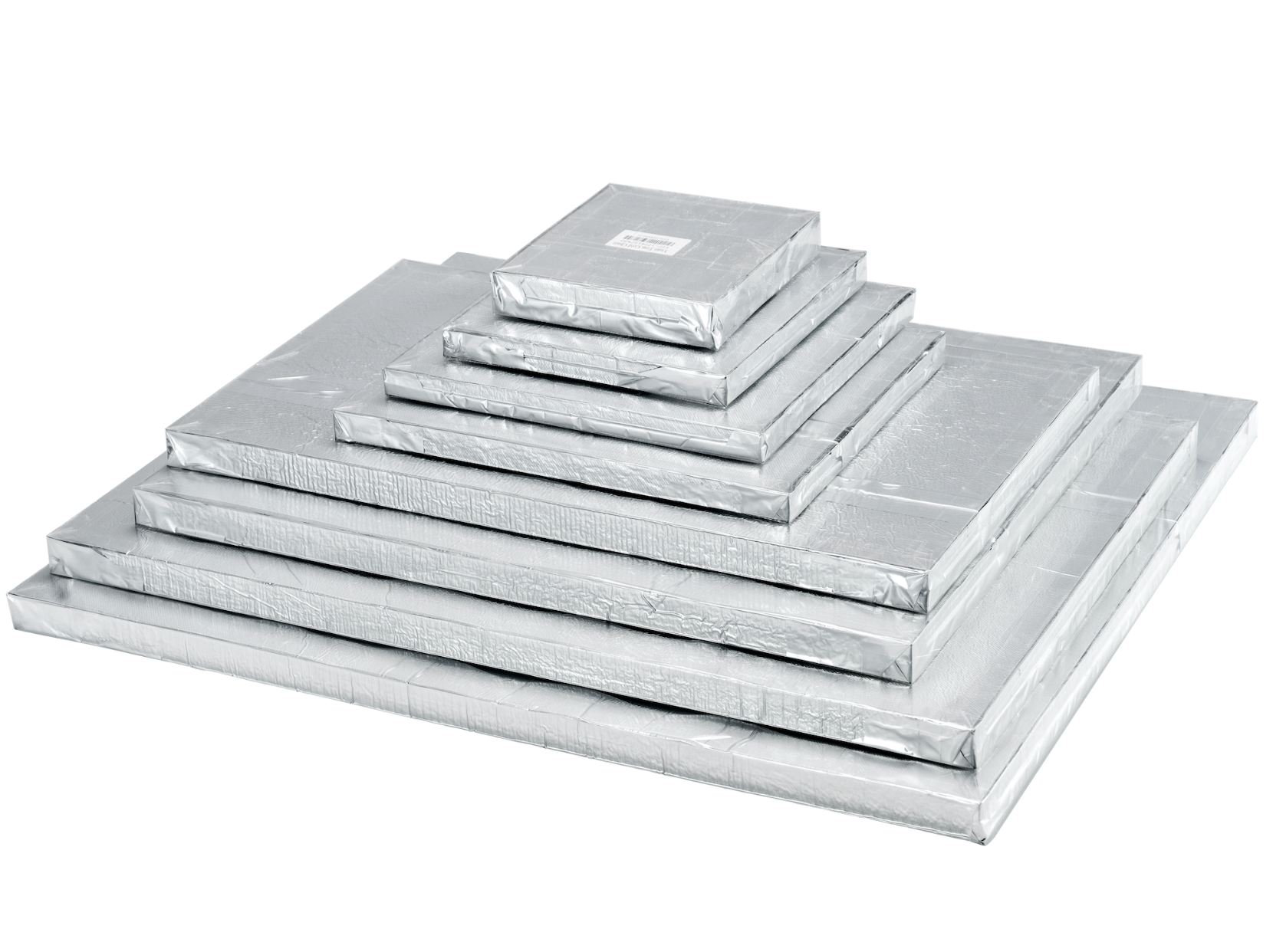
Deep frozen shipments often traverse long international routes with potential delays. Packaging must maintain target temperatures for extended periods—often 5 to 10 days or more—without external power. This demands high-performance insulation materials like Vacuum Insulation Panels (VIPs) that dramatically slow heat ingress.
2. Temperature Uniformity
A consistent temperature throughout the payload zone is as important as the target temperature itself. Hot spots can compromise product integrity, even if the overall average temperature appears acceptable. Advanced packaging designs incorporate carefully optimized internal layouts to ensure uniform cold distribution.
3. Reliability Without Refrigerants
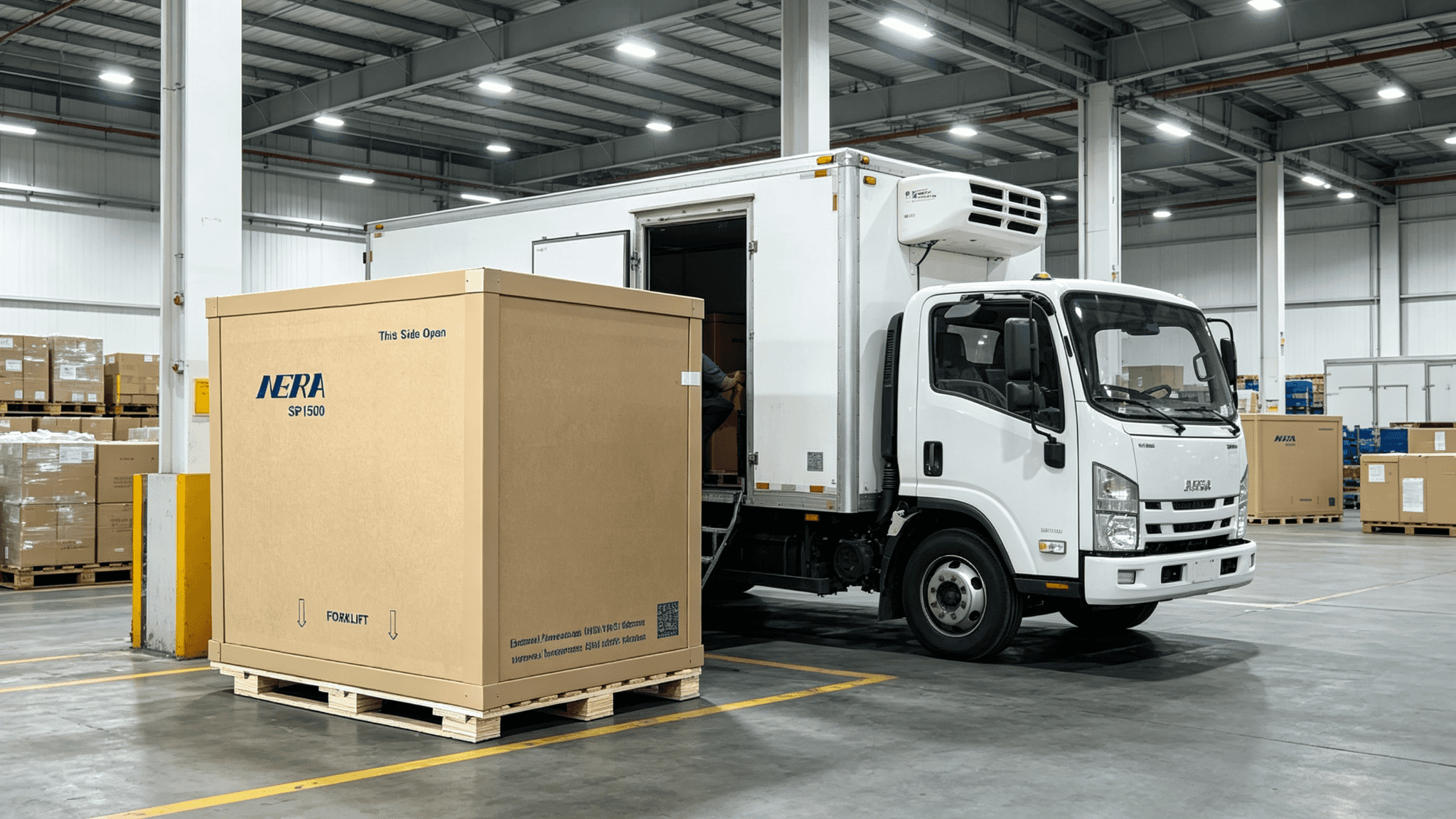
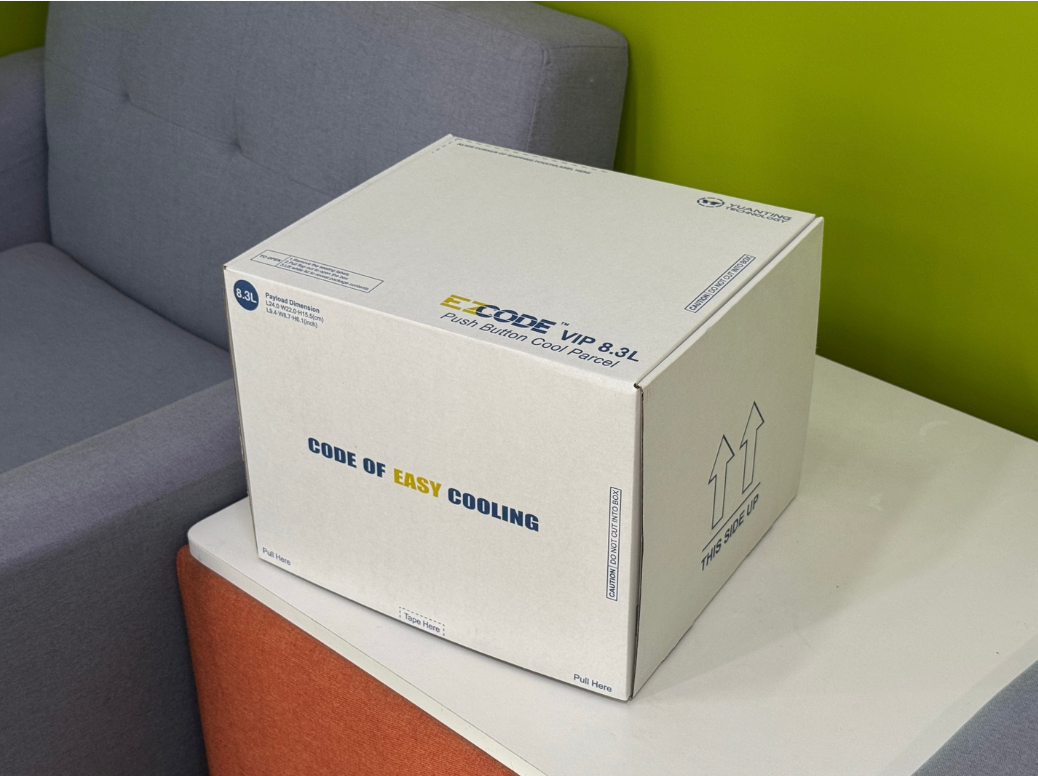
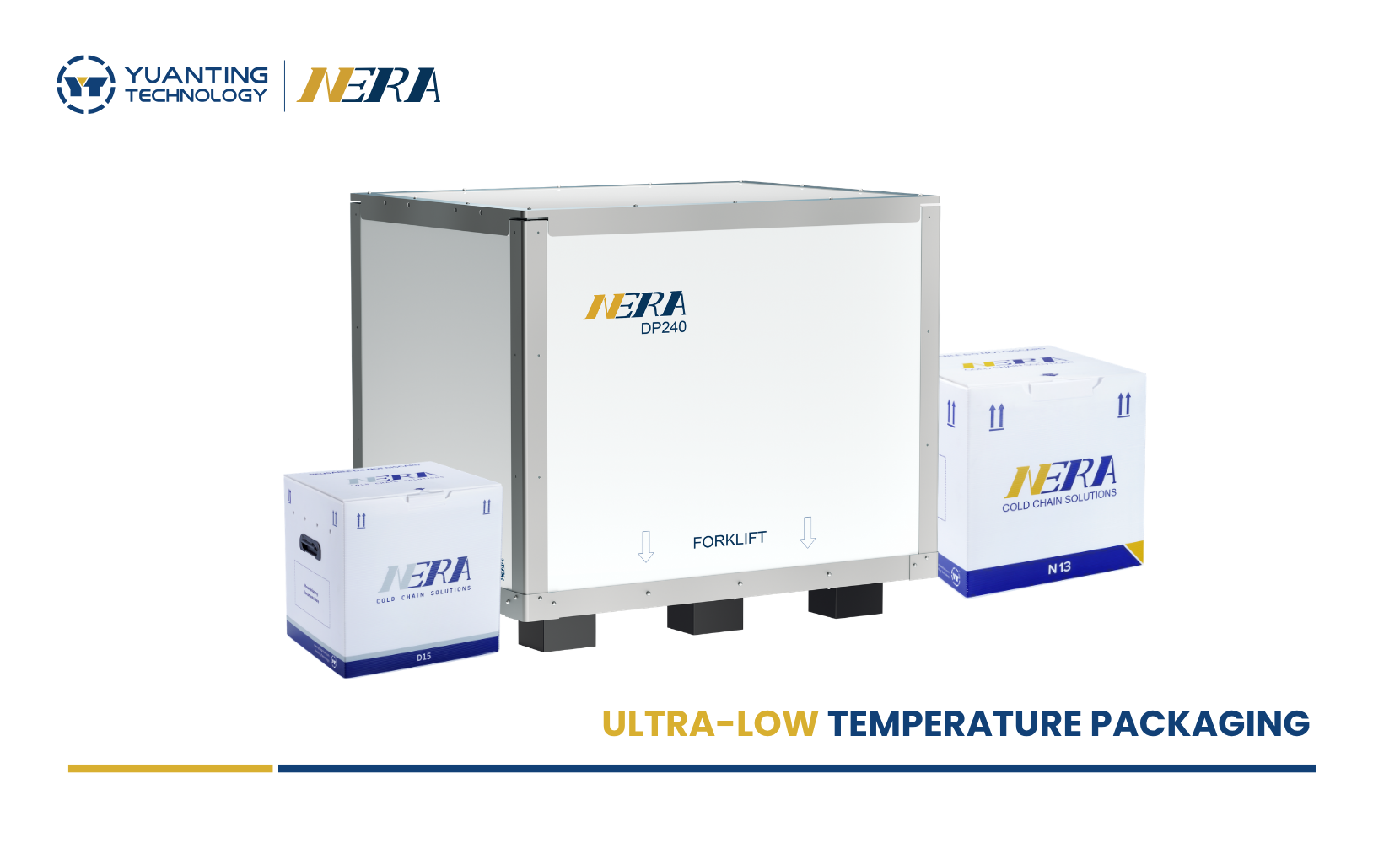
Traditional deep frozen shipping has long relied on dry ice as the primary cooling source. It remains a widely adopted solution due to its low upfront cost and broad availability. However, not all dry ice packaging is created equal. Compared to conventional foam shippers, VIP‑integrated dry ice containers—such as NERA’s D Series—offer significant advantages: higher dry ice utilization, reduced consumption per shipment, and improved payload space efficiency, all while maintaining reliable thermal performance.
For applications where sustainability, safety, or product sensitivity take priority, dry ice‑free alternatives are gaining traction. These solutions replace dry ice with engineered Phase Change Materials (PCMs) that deliver stable, predictable cooling without CO₂ emissions or the safety risks associated with dry ice in confined spaces like aircraft cargo holds. They are also well‑suited for shipments where carbon dioxide exposure could compromise the cargo. NERA’s N Series and DP Series are examples of such dry ice‑free deep frozen packaging, engineered to maintain ultra‑low temperatures for extended durations while offering reusability and consistent performance across multiple cycles.
4.Robustness and Safety
Deep frozen shipments contain high-value, often irreplaceable cargo. Packaging must withstand the rigors of global transport—drops, vibrations, and temperature extremes—while maintaining absolute integrity. Leak-proof designs and durable exteriors are non-negotiable.